The risk of multiple pregnancies in IVF is higher than in normal pregnancies. This is due to the number of embryos transferred. The number of embryos transferred increases the risk of multiple pregnancies. Multiple births following fertility treatment pose significant health risks to mothers and babies.
How is in vitro fertilization treatment applied?
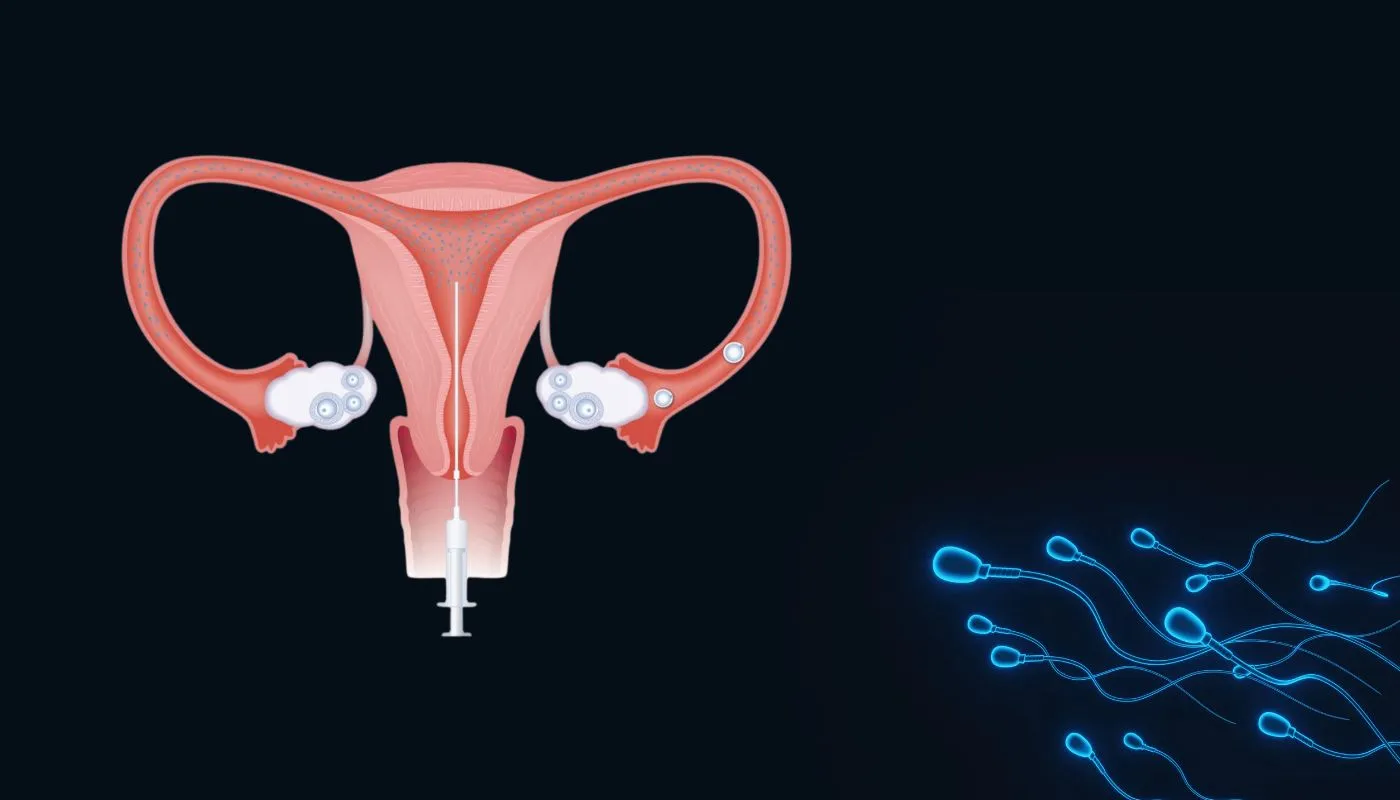
During IVF, eggs are collected from the ovaries under local anesthesia and fertilized with a sperm sample taken in the laboratory. The developing embryos are transferred to the woman’s uterus after either two to three days or five to six days. After two to three days, the embryos are known as ‘cleavage stage’ embryos. If the eggs develop five to six days after fertilization, the developing embryos are referred to as ‘blastocysts’ and the procedure to transfer them to the uterus is referred to as ‘blastocyst transfer’.
Is the risk of multiple pregnancy higher in IVF?
Today, IVF and cytoplasmic sperm injection (ICSI) have a risk of multiple pregnancy in 16% of pregnancies. This risk is 1-2% in natural pregnancies. This is directly related to more than one embryo transferred during IVF and ICSI. If two embryos are transferred to the mother’s uterus, the risk of multiple pregnancy increases. In our country, in order to prevent the risk of multiple pregnancy in IVF, only one embryo is transferred to expectant mothers who are younger than 35 and have had their first two IVF attempts. In other cases, a maximum of two embryos are transferred. The chance of single embryo division and causing identical twins is higher after IVF, especially after blastocyst transfer, but the reason for this is unknown.
What are the risks of multiple pregnancy in IVF?
Premature birth: About 60 percent of twins are born prematurely, at about the 35th week of pregnancy.
Low birth weight: Low birth weight may occur in multiple pregnancies.
Need for a C-section: Women with multiple pregnancies may be more likely to need a C-section, which can require longer recovery and increase the risk of bleeding after delivery.
Transfusion Syndrome (TTTS): About 10 percent of twins who share a placenta develop this syndrome, which occurs when the connection between the two babies’ blood vessels at the placenta allows for too much blood flow to one baby and too little to the other.
Preeclampsia: Women expecting multiple pregnancies through IVF are more than twice as likely to develop preeclampsia, a combination of high blood pressure, protein in the urine, and general swelling that can be dangerous for mother and baby.
Gestational diabetes: Gestational diabetes increases the risk of injury to the mother and baby during vaginal birth. Babies may have breathing and other problems during the newborn period.
Single pregnancy is safer for mother and baby!
The chance of producing twins or triplets increases if more than one embryo is exchanged in the uterus as part of IVF treatment. Having more than one baby may not seem like a bad thing, but the risk of complications for you and your babies can be significantly increased. Problems more commonly associated with multiple births include:
- Low
- Pregnancy-associated hypertension and preeclampsia
- gestational diabetes
- Anemia and heavy bleeding
- Needing a Caesarean
Your baby is more likely to be born prematurely and/or have low birth weight and is at increased risk of developing life-threatening complications such as neonatal respiratory distress syndrome (NRDS) or long-term disabilities such as cerebral palsy.
This page is for information only. Please consult your doctor for diagnosis, treatment and personal health decisions.
If you see an error on this page, write to info@serkanoral.com .